
Shoulder
Shoulder Anatomy
-
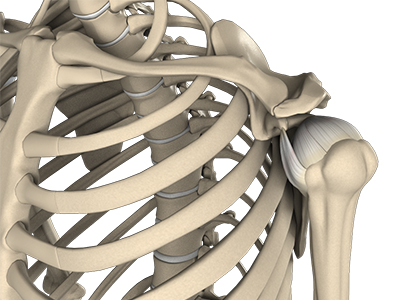
The shoulder is the most flexible joint in the body that enables a wide range of movements including forward flexion, abduction, adduction, external rotation, internal rotation, and 360-degree circumduction. Thus, the shoulder joint is considered the most insecure joint of the body, but the support of ligaments, muscles, and tendons function to provide the required stability.
Procedures
-
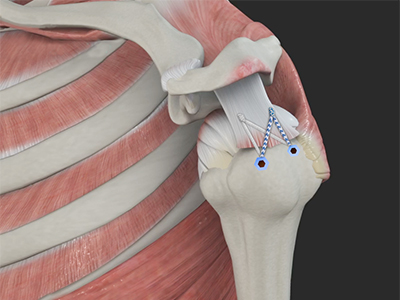
The rotator cuff is a group of 4 muscles in the shoulder joint including the supraspinatus, infraspinatus, teres minor, and subscapularis.
-
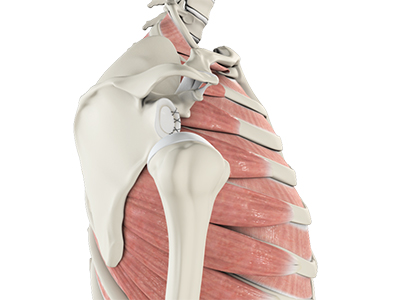
The shoulder joint is a ball and socket joint. A ball at the top of the upper arm bone (the humerus) fits neatly into a socket, called the glenoid, which is part of the shoulder blade (scapula).
-
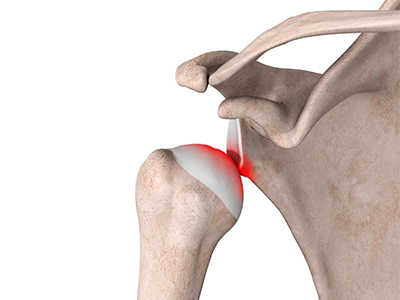
Shoulder stabilization surgery is performed to improve stability and function to the shoulder joint and prevent recurrent dislocations.
-
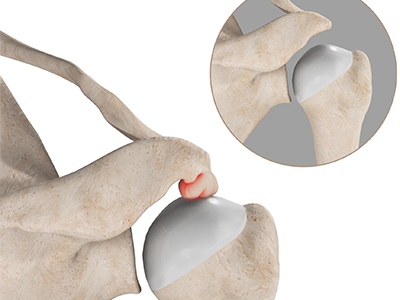
Subacromial decompression is a surgical procedure performed for the treatment of a condition called shoulder impingement.
-
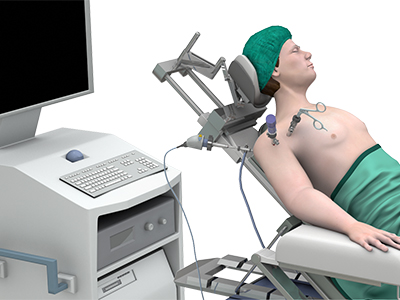
Arthroscopy is a minimally invasive diagnostic and surgical procedure performed for joint problems.
-
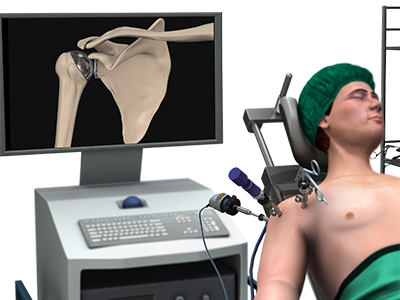
Shoulder joint replacement is a surgical procedure that replaces damaged bone surfaces with artificial humeral and glenoid components to relieve pain and improve functional ability in the shoulder joint.
-
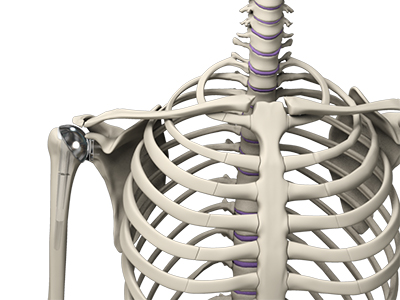
Total shoulder replacement surgery is performed to relieve symptoms of severe shoulder pain and disability due to arthritis.
-
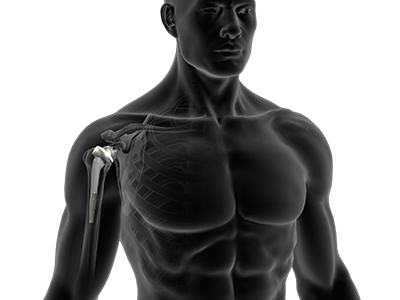
Conventional surgical methods such as total shoulder joint replacement are not very effective in the treatment of rotator cuff arthropathy.
-
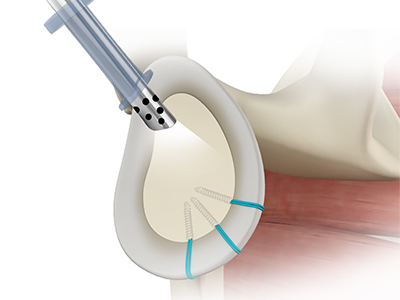
Shoulder reconstruction surgery is an operative procedure in which stretched or torn soft-tissue structures that surround the shoulder joint such as the capsule, ligaments, and cartilage, are repaired to secure the shoulder joint in place.
-
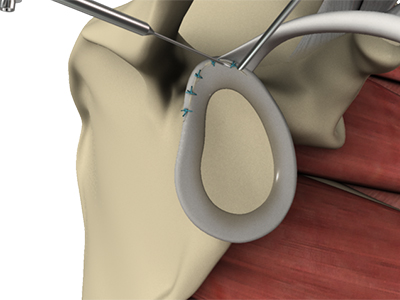
A SLAP repair is an arthroscopic shoulder procedure to treat a specific type of injury to the labrum called a SLAP tear.
-
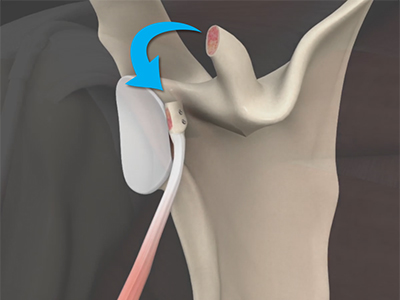
The Latarjet procedure is a surgical procedure performed to treat shoulder instability by relocating a piece of bone with an attached tendon to the shoulder joint.
-
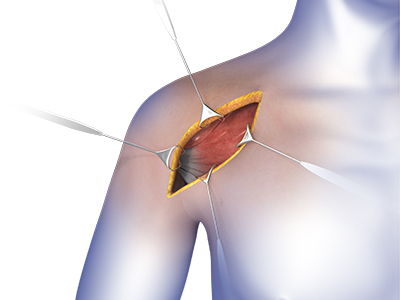
Shoulder surgery is a surgical procedure for the treatment of a shoulder injury or shoulder condition.
-
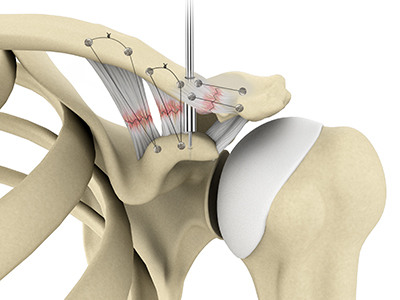
AC joint repair is a surgical procedure performed to repair damaged or torn ligaments and tendons of the acromioclavicular (AC) joint.
-
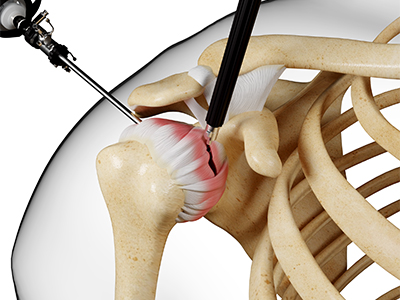
Shoulder stiffness surgery is a procedure performed to restore movement in a shoulder that has become severely stiff and restricted.
-
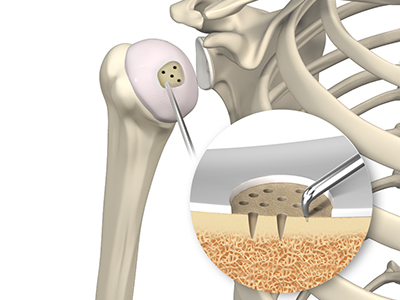
Shoulder preservation surgery is any surgical procedure that is aimed at preserving the structure and function of the shoulder.
-
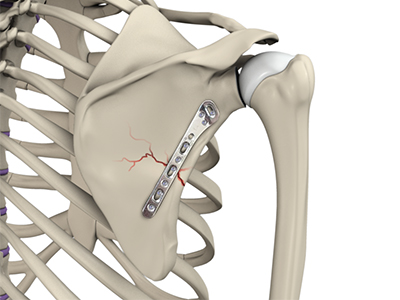
A break in the bone that makes up the shoulder joint is called a shoulder fracture.
Conditions
-
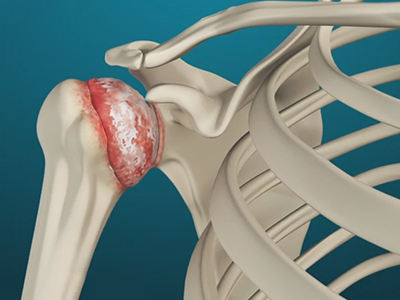
The term arthritis literally means inflammation of a joint but is generally used to describe any condition in which there is damage to the cartilage.
-
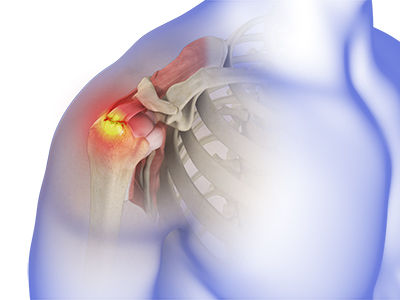
The rotator cuff is a group of tendons in the shoulder joint that provides support and enables a wide range of motion.
-
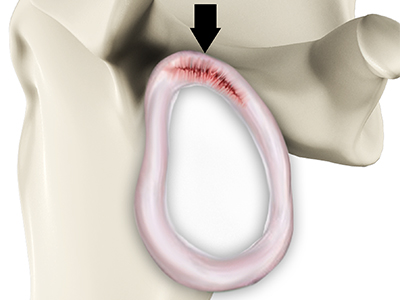
The term SLAP (superior - labrum anterior-posterior) lesion or SLAP tear refers to an injury of the superior labrum of the shoulder.
-
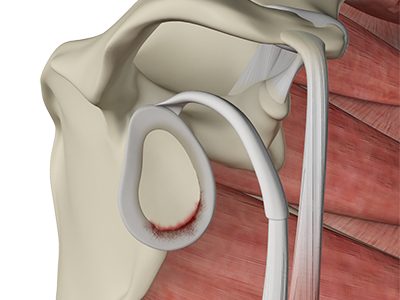
Traumatic injury to the shoulder or overuse of the shoulder (throwing, weightlifting) may cause the labrum to tear.
-
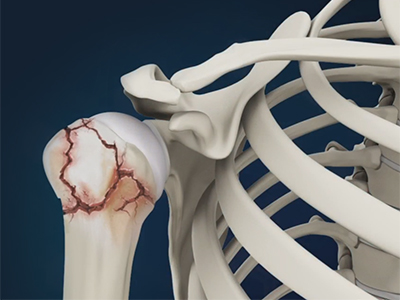
A break in a bone that makes up the shoulder joint is called a shoulder fracture.
-
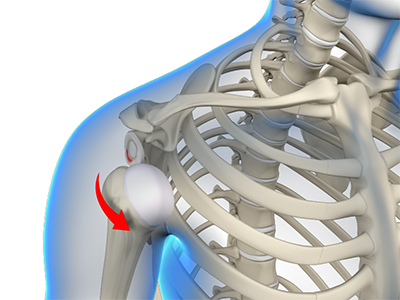
Shoulder instability is a chronic condition that causes frequent dislocation of the shoulder joint.
-
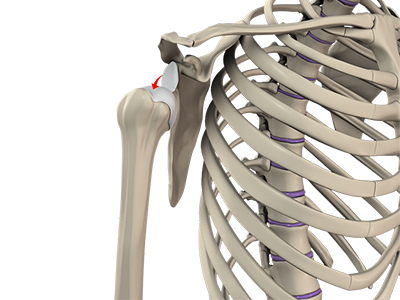
Sports that involve overhead movements and repeated use of the shoulder at your workplace may lead to sliding of the upper arm bone from the glenoid.
-
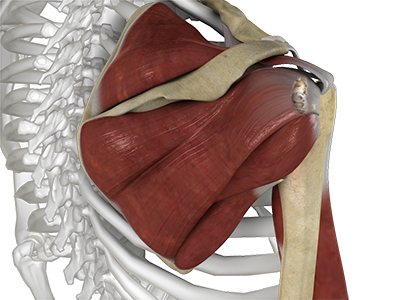
Shoulder ligament injuries are injuries to the tough elastic tissues present around the shoulder that connect bones to each other and stabilize the joint.
-
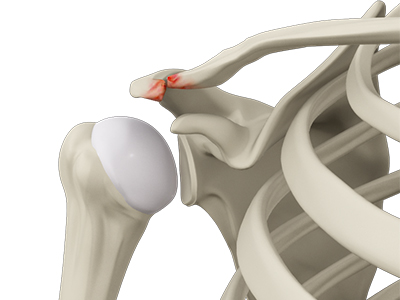
The acromioclavicular joint is part of the shoulder joint. It is formed by the union of the acromion, a bony process of the shoulder blade, and the outer end of the collar bone or clavicle.
-
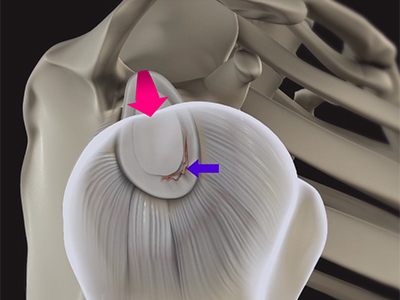
Shoulder instability results when the humeral head is not held firmly within the glenoid cavity and may lead to a dislocation.
-
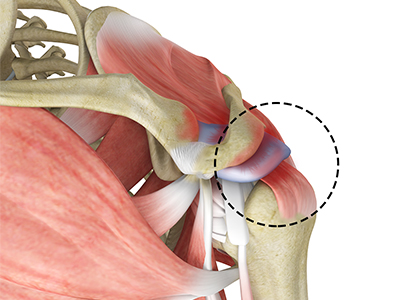
The rotator cuff consists of a group of tendons and muscles that surround and stabilize the shoulder joint.
-
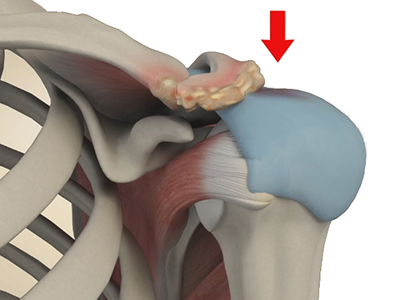
SAIS is the inflammation and irritation of your rotator cuff tendons.
-
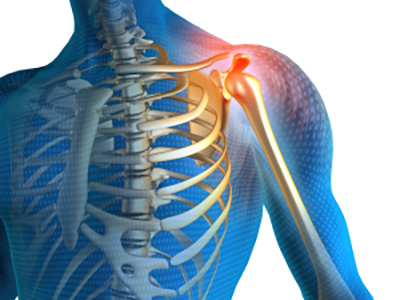
Pain in the shoulder may suggest an injury, which is more common in athletes participating in sports such as swimming, tennis, pitching, and weightlifting.
-
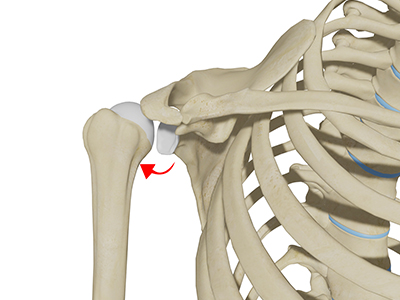
Posterior shoulder instability, also known as posterior glenohumeral instability, is a condition in which the head of the humerus (upper arm bone) dislocates or subluxes posteriorly from the glenoid (socket portion of the shoulder) as a result of significant trauma.
-
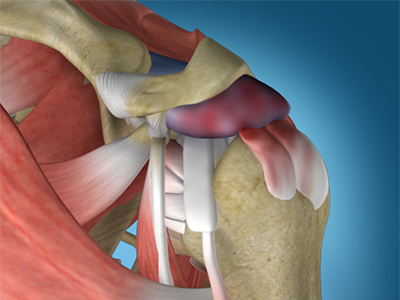
The shoulder is a ball-and-socket joint. The ball-shaped end of the upper arm bone (humerus) fits neatly into a socket, called the glenoid, which is part of the shoulder blade or scapula.
-
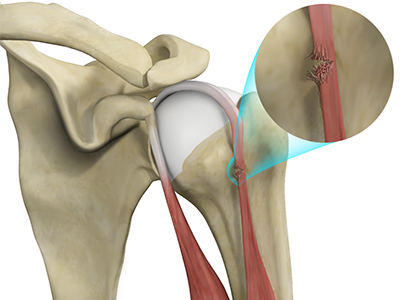
Overuse and injury can cause fraying of the biceps tendon and eventual rupture.
-

Shoulder injuries most commonly occur in athletes participating in sports such as swimming, tennis, pitching, and weightlifting. The injuries are caused due to the over usage or repetitive motion of the arms.
-

Throwing injuries of the shoulder are injuries sustained as a result of trauma by athletes during sports activities that involve repetitive overhand motions of the arm as in baseball, American football, volleyball, rugby, tennis, track and field events, etc.
-
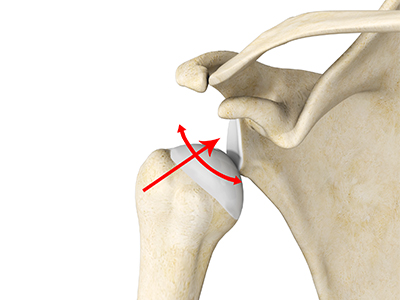
Instability may be described by the direction in which the humerus is subluxated or dislocated from the glenoid.
-
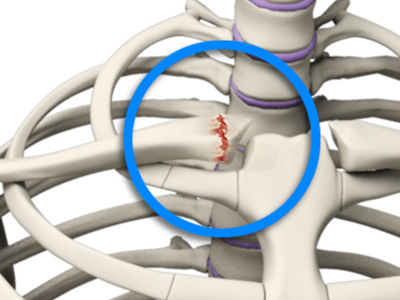
The shoulder consists of four joints, one of which is the sternoclavicular joint.
-
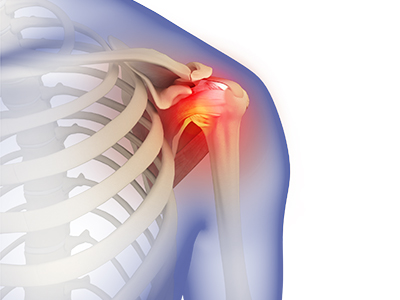
Frozen shoulder, also called adhesive capsulitis, is a condition in which you experience pain and stiffness in your shoulder.
-
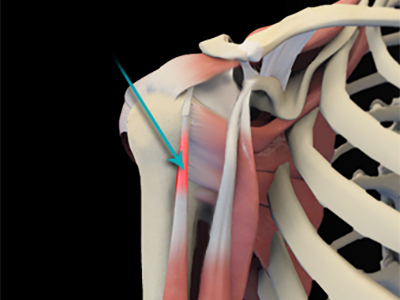
Shoulder tendonitis is a condition characterized by inflammation of the tendons which connect the muscles to the shoulder bones.
-
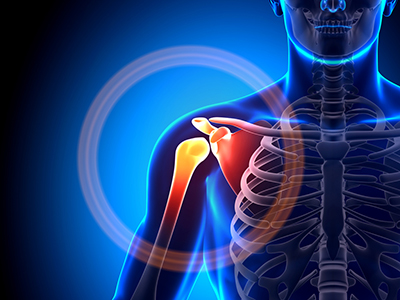
The shoulder is the most flexible joint in the body that enables a wide range of movements.
-
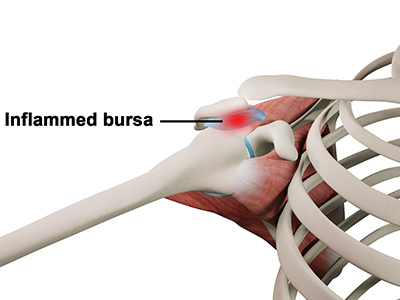
The rotator cuff is a set of muscles and tendons which hold the various bones of the shoulder joint together, providing strength and support.
-
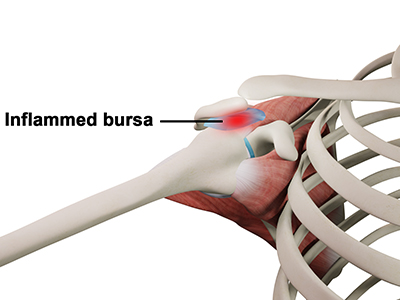
Shoulder bursitis, also known as subacromial bursitis, is a condition characterized by pain and inflammation in the bursa of the shoulder.
-
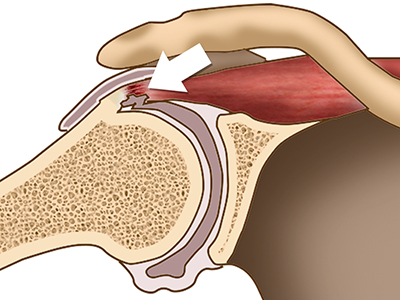
Internal shoulder impingement can be described as a pathological condition resulting from repetitive impingement of the internal surface of the rotator cuff by the bones at the back of the glenohumeral joint.
-
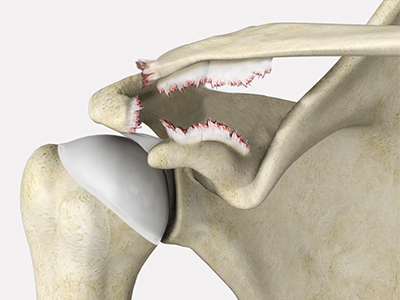
AC joint separation, also known as shoulder separation, is a condition characterized by damage to the ligaments that connect the acromion to the collar bone.