
Foot & Ankle
Foot & Ankle Anatomy
-
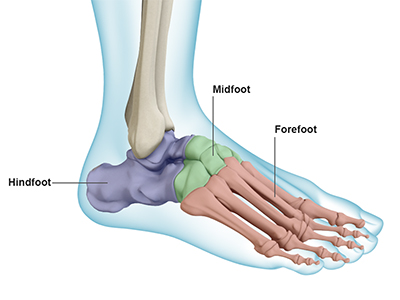
The foot and ankle form complex joints that are involved in movement and providing stability and balance to the body. The foot and ankle consist of 26 bones, 33 joints, and many muscles, tendons, and ligaments.
Procedures
-
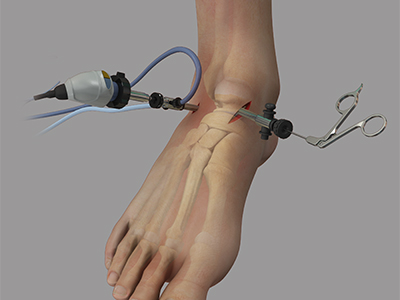
Ankle arthroscopy is a minimally invasive surgical procedure in which a surgeon inserts a small, thin, rigid instrument called an arthroscope into the ankle joint.
-
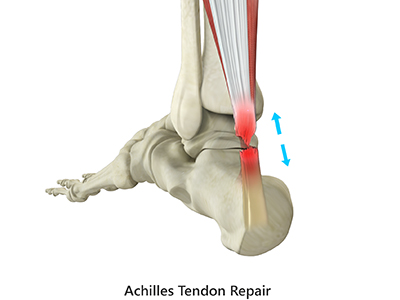
The Achilles tendon is often injured during sports activities, resulting in an inflammatory condition called tendonitis, which is characterized by swelling and pain.
-
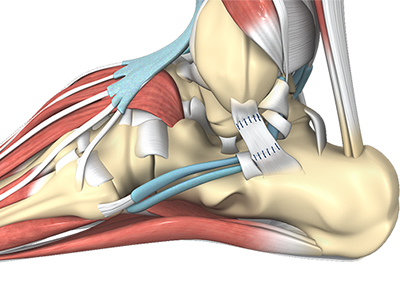
Ankle ligament reconstruction is a surgical procedure typically performed to treat serious sprains or instability in the ankle.
-
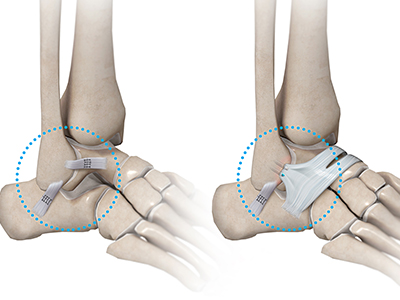
Ankle stabilization is a medical or surgical treatment used to restore stability to the ankle joint when it becomes weak or repeatedly gives way due to ligament injury.
-

Injuries during sports are common. They can result from accidents, inadequate training, improper use of protective devices, or insufficient stretching or warm-up exercises.
-

The foot is composed of different structures including bones, ligaments, tendons, and muscles. As the feet bear the weight of our body, they are more prone to injury and pain.
-
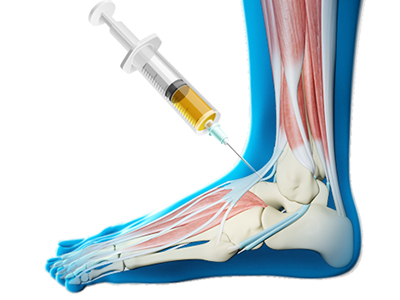
Platelet-Rich Plasma (PRP) injections in the ankle represent a regenerative, biologic therapy intended to alleviate pain, promote healing, and reduce inflammation in the ankle joint or associated soft tissues.
Conditions
-
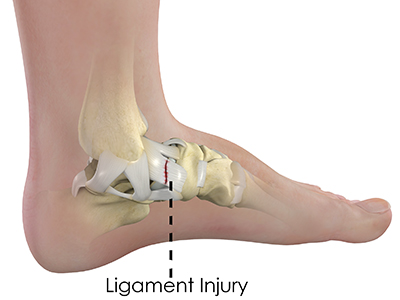
An ankle ligament injury, also known as an ankle sprain, can be caused by a sudden twisting movement of the foot during any athletic event or during daily activities. When stretched beyond its limit, the ligament may partially or completely tear.
-
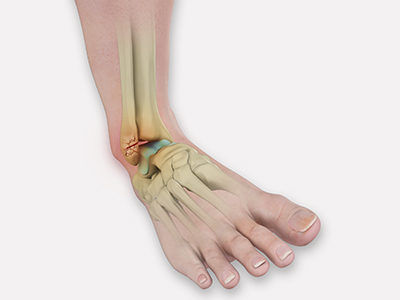
Ankle injuries are very common in athletes and individuals performing physical work; often resulting in severe pain and impaired mobility.
-

The joints of the ankle are held in place and stabilized by strong bands of tissue called ligaments. Ankle instability is a chronic condition characterized by a recurrent slipping of the outer side of the ankle.
-

Trauma and repeated stress can cause fractures in the foot. Extreme force is required to fracture the bones in the hindfoot.
-

Foot and ankle trauma refers to injuries that affect the bones, joints, ligaments, tendons, or soft tissues of the foot and ankle.
-
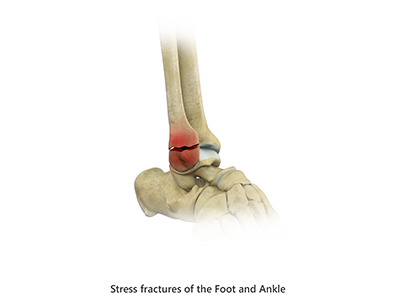
A stress fracture is described as a small crack in the bone which occurs from an overuse injury of a bone.
-
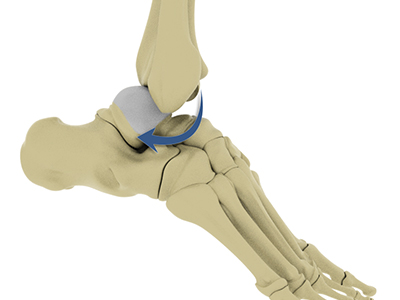
Ankle dislocation is a condition that occurs when the bones of the lower leg called the fibula and tibia get separated from the talus or ankle bone.
-
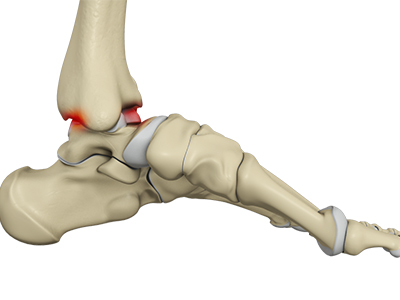
The ankle is made up of many bones, muscles, and ligaments that aid in the smooth movement of the foot.
-
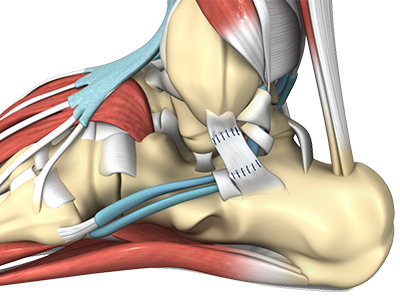
A sprain is the stretching or tearing of ligaments. Ligaments connect adjacent bones and provide stability to a joint.
-
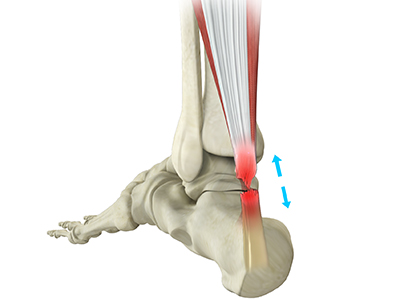
The Achilles tendon is a strong fibrous cord present behind the ankle that connects the calf muscles to the heel bone. It is used when you walk, run and jump.
-
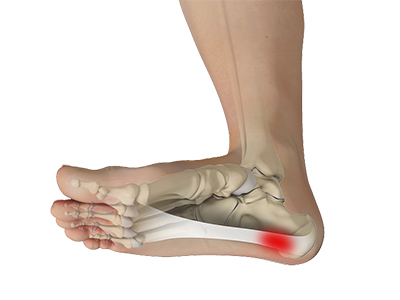
Plantar fasciitis refers to the inflammation of the plantar fascia, a thick band of tissue that is present at the bottom of the foot.
-
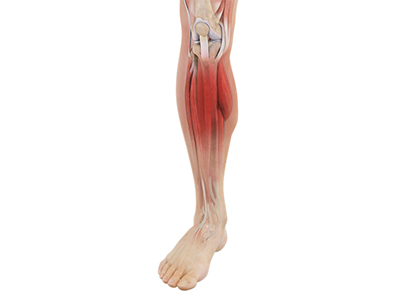
Shin splints or medial tibial stress syndrome (MTSS) is pain around the tibia or shinbone due to inflammation of the tendons, muscles and bone tissue.
-

Ankle tendonitis is an inflammation of a tendon located in your ankle. Tendonitis can usually happen due to overuse of your ankle with repetitive movements or stretching.
-
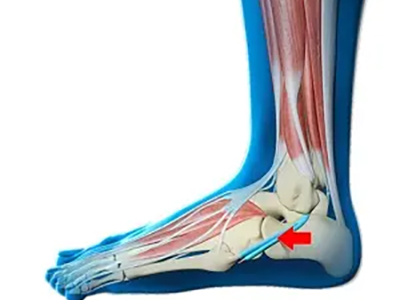
The peroneal tendons run behind the lateral malleolus (the bony protrusion on the outside of the ankle). They connect the peroneal muscles - the peroneus brevis and peroneus longus - to the foot.
-
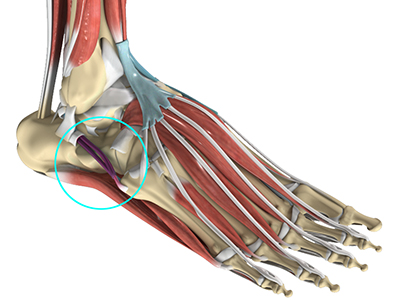
Peroneal tendonitis is inflammation of the peroneal tendons in the ankle due to an acute or overuse injury. It is common in those participating in sports involving repeated ankle movement such as running.
-
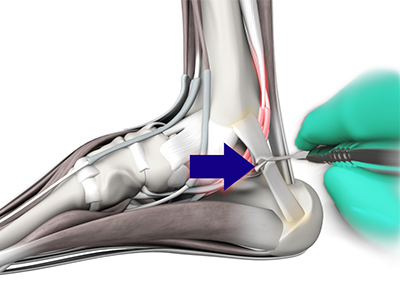
The tarsal tunnel is a narrow passageway that lies on the inside of your ankle and runs into the foot. It encloses arteries, veins, tendons and nerves that supply the foot.